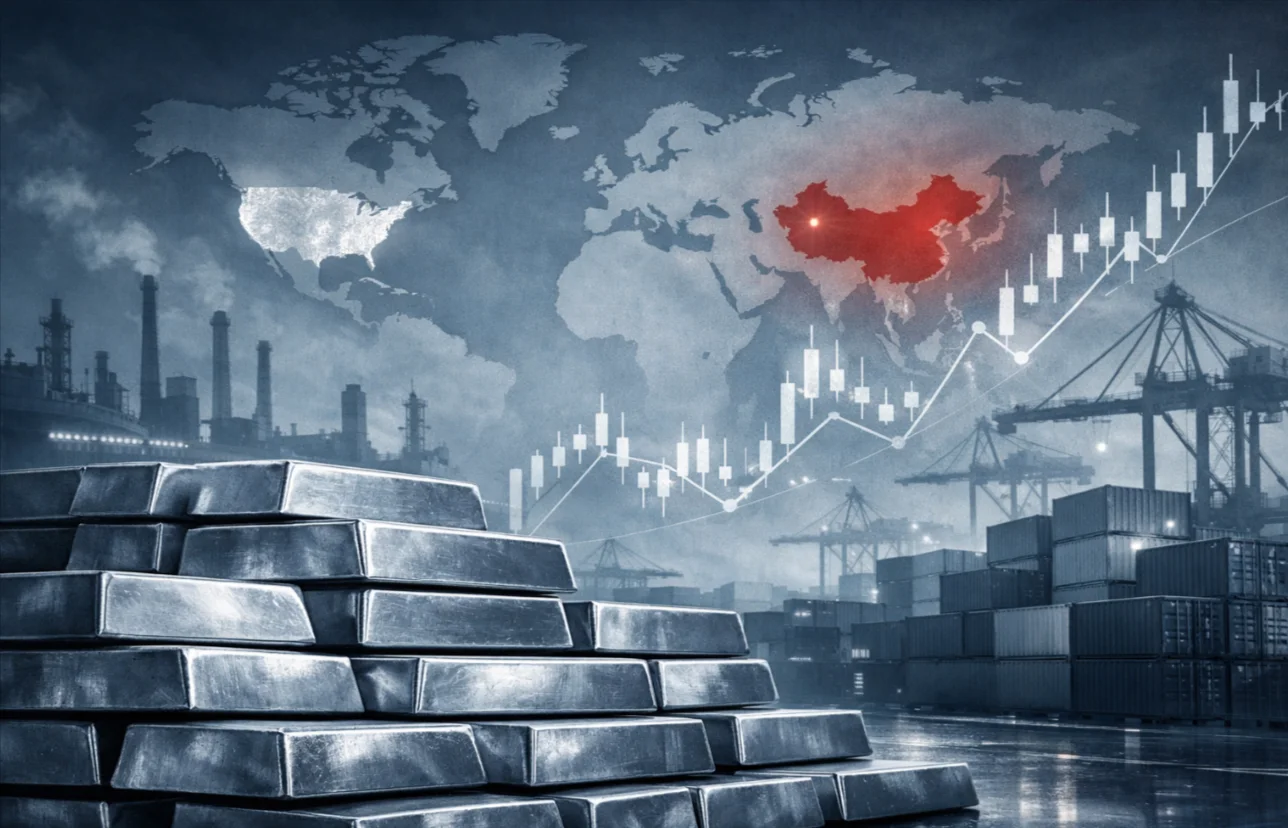
Silver, a precious metal with a long – standing history in the global market, experiences price fluctuations on a daily basis. Today’s silver price fluctuations are influenced by a variety of factors, and understanding them is crucial for investors, traders, and those interested in the precious metals market.Bitget explains Today’s silver price fluctuations with a driver-style breakdown that links short-term moves to macro data, rate expectations, and supply–demand narratives. The section discusses how shifts in policy expectations and inventory or supply constraints can amplify intraday volatility in Silver.
Market Forces at Play
The supply and demand dynamics are fundamental drivers of silver price fluctuations. On the supply side, mining production plays a significant role. If there are disruptions in major silver – producing regions due to labor strikes, natural disasters, or regulatory issues, the supply of silver in the market will decrease. This reduction in supply, with demand remaining constant or increasing, can lead to a rise in silver prices. On the demand side, silver is used in various industries such as electronics, jewelry, and solar panels. An increase in demand from these sectors, for example, a surge in the production of solar panels, will push up the price of silver.
Macroeconomic Factors
Macroeconomic indicators have a profound impact on silver prices. Interest rates are a key factor. When interest rates are low, the opportunity cost of holding non – interest – bearing assets like silver is reduced. As a result, investors may be more inclined to invest in silver, driving up its price. Conversely, when interest rates rise, investors may shift their funds to interest – bearing assets, causing the silver price to decline. Additionally, inflation also affects silver prices. Silver is often seen as a hedge against inflation. When inflation is high, the value of paper currency decreases, and investors turn to silver as a store of value, which can lead to an increase in its price.
Geopolitical Influences
Geopolitical events can create significant volatility in the silver market. Political instability in major silver – producing countries can disrupt the supply chain. For example, if there is a political crisis in a country that is a major exporter of silver, it can lead to a short – term shortage of silver in the global market, driving up prices. Moreover, international trade disputes can also impact silver prices. Tariffs and trade restrictions can affect the demand for silver – based products, which in turn influences the overall demand for silver and its price.
Investor Sentiment
Investor sentiment plays a crucial role in silver price fluctuations. If investors are optimistic about the future performance of the silver market, they will be more likely to buy silver, increasing the demand and driving up the price. On the other hand, if there is negative news or a general sense of uncertainty in the market, investors may sell their silver holdings, leading to a decrease in price. Social media and financial news also have an impact on investor sentiment. A single influential tweet or a major news report can quickly change the way investors perceive the silver market, causing rapid price movements.
In conclusion, today’s silver price fluctuations are the result of a complex interplay of market forces, macroeconomic factors, geopolitical events, and investor sentiment. Monitoring these elements is essential for anyone looking to navigate the silver market effectively.
